Visual Arts of the Maghreb (19th-21st Centuries)
EHESS
The IISMM-EHESS Seminar 2026–2027: Visual Arts of the Maghreb (19th–21st Centuries)
November 2026 – June 2027
Every third Friday of the month, from 3 pm to 5 pm.
Venue: Room B3-18, IISMM (EHESS), 54 boulevard Raspail, 75006 Paris, France.
Scientific Convenors
Zouina Ait Slimani (LARHRA – Université Grenoble Alpes, UCO Angers), Lydia Haddag (Institut catholique de Paris, Rouen campus), Alain Messaoudi (CRHIA, Nantes Université), and Silvia Naef (Honorary Professor, University of Geneva).
Presentation
The seminar Visual Arts of the Maghreb (19th–21st Centuries) offers an overview of current research on artistic practices and visual cultures in the Maghreb, from the nineteenth century to the present day.
It aims to examine the historical, social, and political conditions underlying the production, circulation, and reception of artworks, with particular attention to the formation and activities of artistic networks. These networks are approached as spaces of artistic creation, mediation, and the circulation of ideas, but also as sites for the development of critical discourses on the political contexts and power relations within which artistic practices take shape.
The seminar sessions will address a range of issues currently at the forefront of art history and visual studies in North Africa. Topics include the representation of colonial trauma in French museums; artistic uses of archives between Algeria and Palestine; the formation, visibility, and display of collections; photographic practices in revolutionary Algeria; the 1969 Pan-African Cultural Festival in Algiers; the colonial construction of the category of “indigenous arts”; and historiographical questions surrounding the writing of art history in North Africa.
Through this diversity of approaches, the seminar seeks to contribute to the renewal of historical and critical perspectives on the visual arts of the Maghreb, by examining the relationships between artistic creation, memory, colonial history, transnational circulations, and the production of knowledge.
– Séance 1 – Vendredi 20 novembre 2026
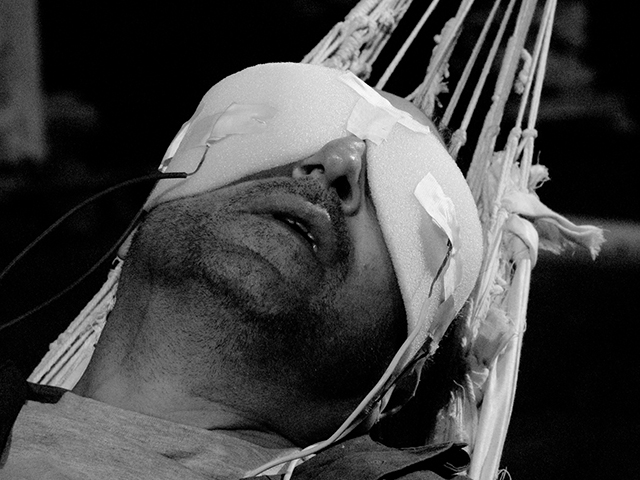
Fadila Yahou : Exposer, réactiver, réparer ou refouler : les musées français, vitrines du trauma colonial.
Fadila Yahou, docteure en histoire de l’art (Paris 1 Panthéon-Sorbonne), historienne de l’art et critique d’art, est spécialiste de l’histoire culturelle et visuelle de l’Algérie durant la Révolution algérienne. On lui doit le chapitre « Frantz Fanon and the Anatomy of Torture » de l’ouvrage à paraître Fanon Revolutionary Afterlives (Liverpool University Press, avril 2027).
– Séance 2 – Vendredi 18 décembre 2026
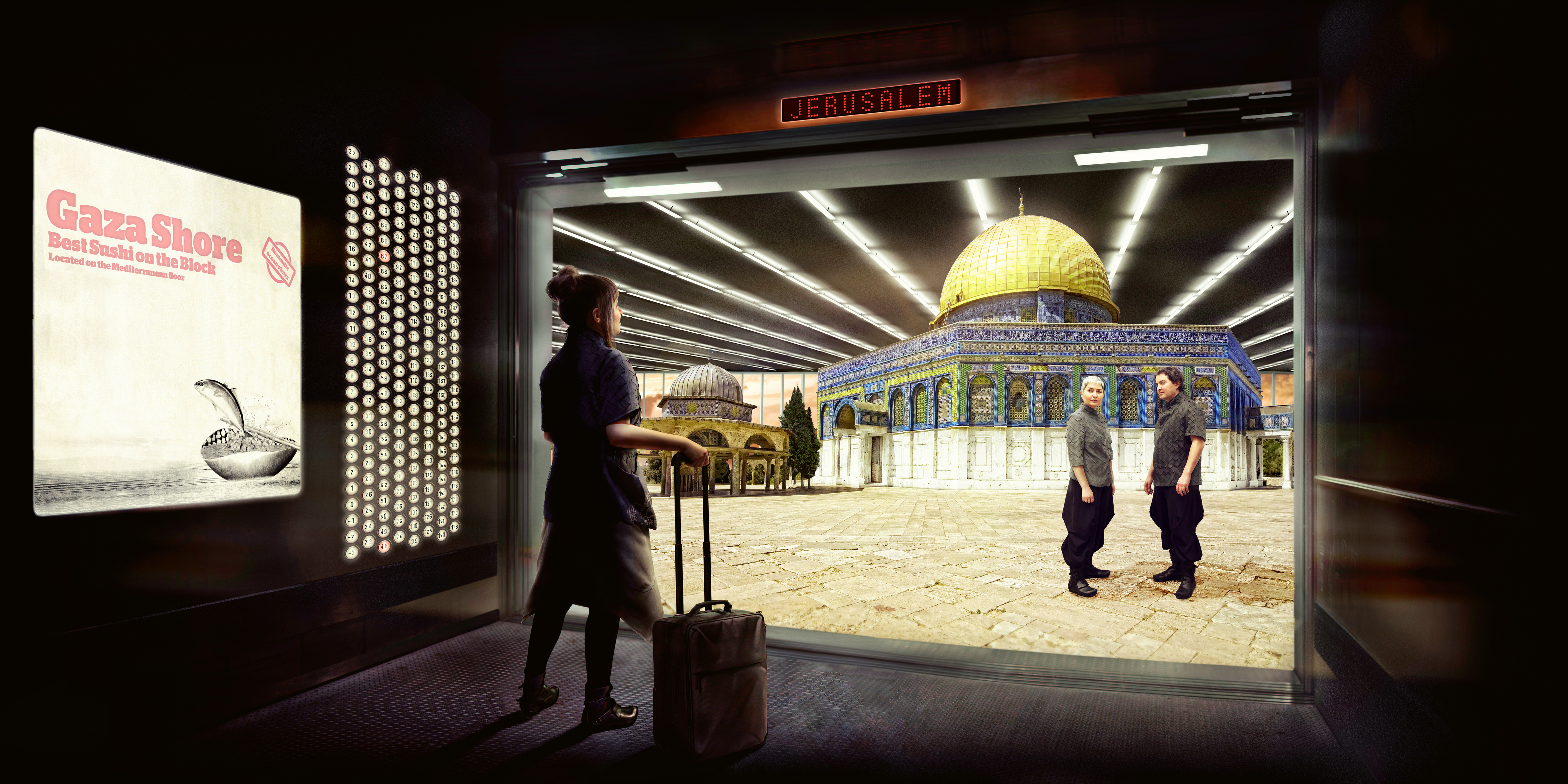
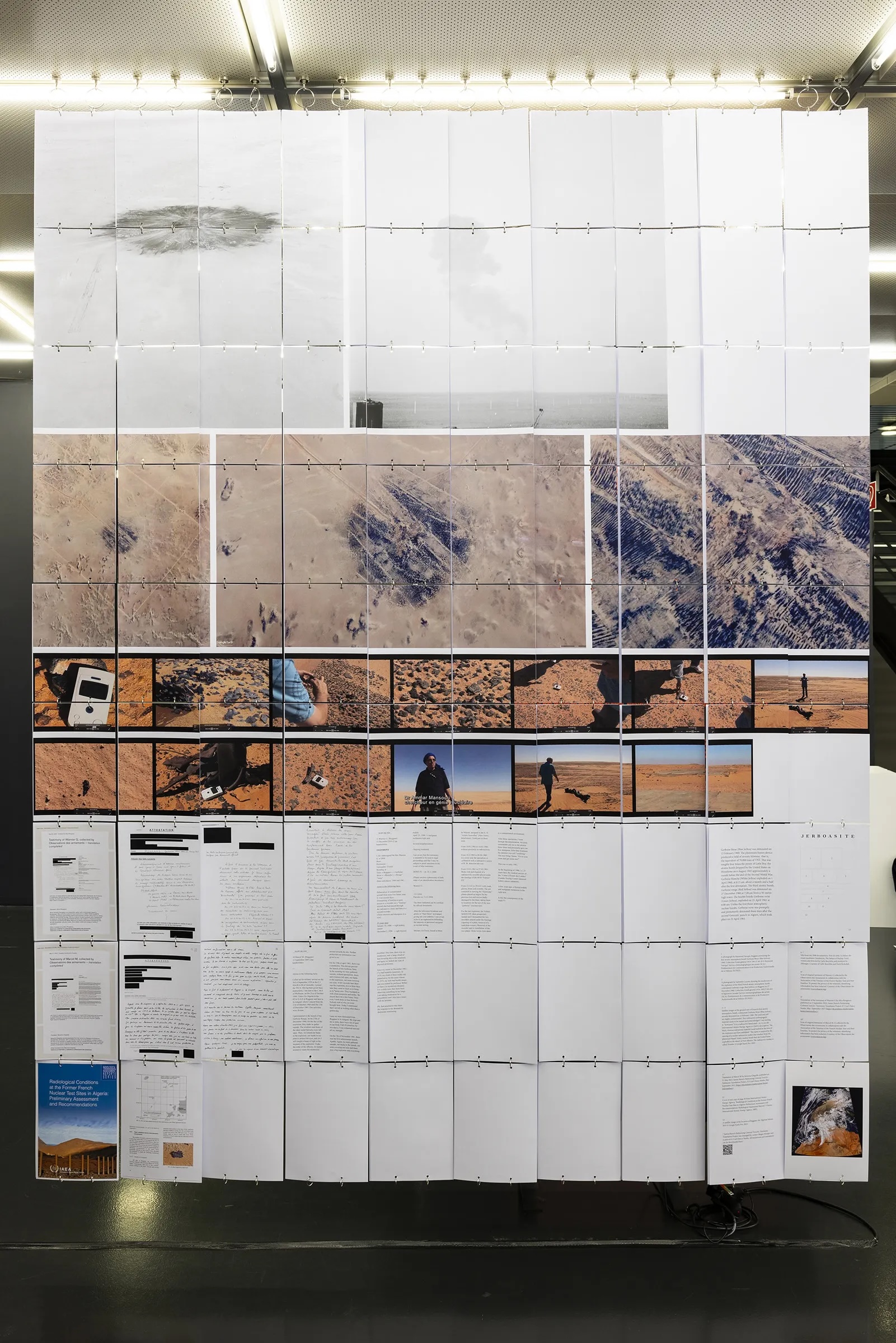
Jade Saber et Inès Fodil, Usages artistiques de l’archive : déplacements, traumas, censures de l’Algérie à la Palestine (1990 à nos jours) (intitulé susceptible d’être modifié).
Jade Saber est curatrice et doctorante en histoire de l’art à l’Université Paris 1 Panthéon-Sorbonne et à l’INHA ; Inès Fodil est doctorante en histoire de l’art à l’Université Paris 1 Panthéon-Sorbonne.
– Séance 3 – Vendredi 15 janvier 2027
Loreline Simonis, De la collection privée à la collection publique : les conditions de visibilité des objets de la collection Delort de Gléon de l’exposition universelle de 1878 à la création d’une salle Delort de Gléon au musée du Louvre en 1922
Loreline Simonis est doctorante en histoire des arts (époque contemporaine) à l’Université de Picardie Jules Verne (UPJV) à Amiens et membre du Centre de Recherches en Arts et en Esthétique (CRAE).
– Séance 4 – Vendredi 19 février 2027
Gaelle Prodhon, Expériences photographiques en Algérie révolutionnaire dans le contexte de la Guerre froide (1958-1989)
Gaelle Prodhon est doctorante à l’Université Paris Nanterre et chargée d’études et de recherche au sein du laboratoire InVisu
– Séance 4bis « hors programme » – 5 mars 2027
Mertkan Karaca, Recontextualizing Ottoman Artistic Modernization: Military Painters between Historiographical Construction and Historical Reality
Mertkan Karaca est doctorant à l’Université des Beaux-Arts de Mimar Sinan). La séance sera modérée par Ekin Akalin, doctorante (Nantes Université/Universidad Autónoma de Madrid – UAM) et chercheuse associée au CETOBaC.
– Séance 5 – Vendredi 19 mars 2027
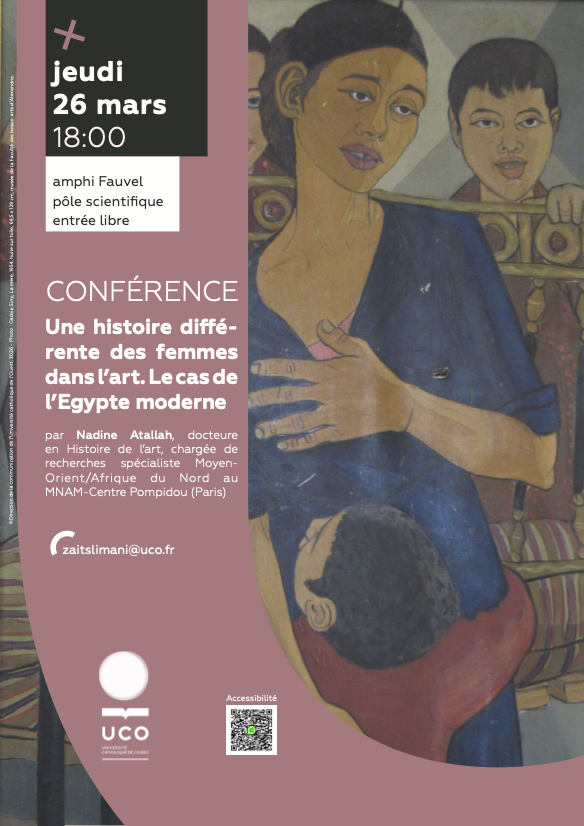
Nadine Atallah, Les enjeux de la constitution d’une collection d’œuvres associées à l’espace “Moyen-Orient et Afrique du Nord”. L’exemple du Musée national d’art moderne (MNAM)-Centre Pompidou (intitulé sous réserve).
Nadine Atallah est historienne de l’art et curatrice. Elle est actuellement chargée de recherche spécialiste du Moyen-Orient et d’Afrique du Nord au Musée national d’art moderne – Centre Pompidou à Paris, et chercheuse associée au laboratoire InVisu (CNRS/INHA).
– Séance 6 – Vendredi 16 avril 2027
Youri Hammache-Sigour, Les arts plastiques et les enjeux du Premier festival culturel panafricain (Alger, juillet-août 1969)
Youri Hammache-Sigour est doctorant (Université Paris Nanterre, Histoire des arts et des représentations – HAR ; Sapienza Università di Roma)
– Séance 7 – Vendredi 21 mai 2027
Marion Lagrange, La fabrique coloniale des “arts indigènes. Producteurs & acteurs en Afrique du Nord sous l’empire français.
Marion Lagrange est maîtresse de conférences en histoire de l’art contemporain à l’Université Bordeaux Montaigne (Centre de recherches F.-G. Pariset – UR 538)
– Séance 8 – Vendredi 18 juin 2027
Les écrits sur l’art dans le Nord de l’Afrique. Essai d’état des lieux.