Further Info
For further info on the conference program click.
The City as a “Living Archive”: Artistic Interventions and Collective Memory in Lebanon
7 September 2026
Independent art worker and researcher Tamara Choukair Hilal presents at the panel organized by Manazir at the 6th Swiss Congress on Art History
Tamara Choukair Hilal presents “The City as a “Living Archive”: Artistic Interventions and Collective Memory in Lebanon” at the panel “The Archive as Imperative: Approaches in the History of Art and Architecture in the Middle East and North Africa”. The panel is organized by Manazir as part of the 6th Swiss Congress on Art History & the 50th Anniversary of the ASHHA.
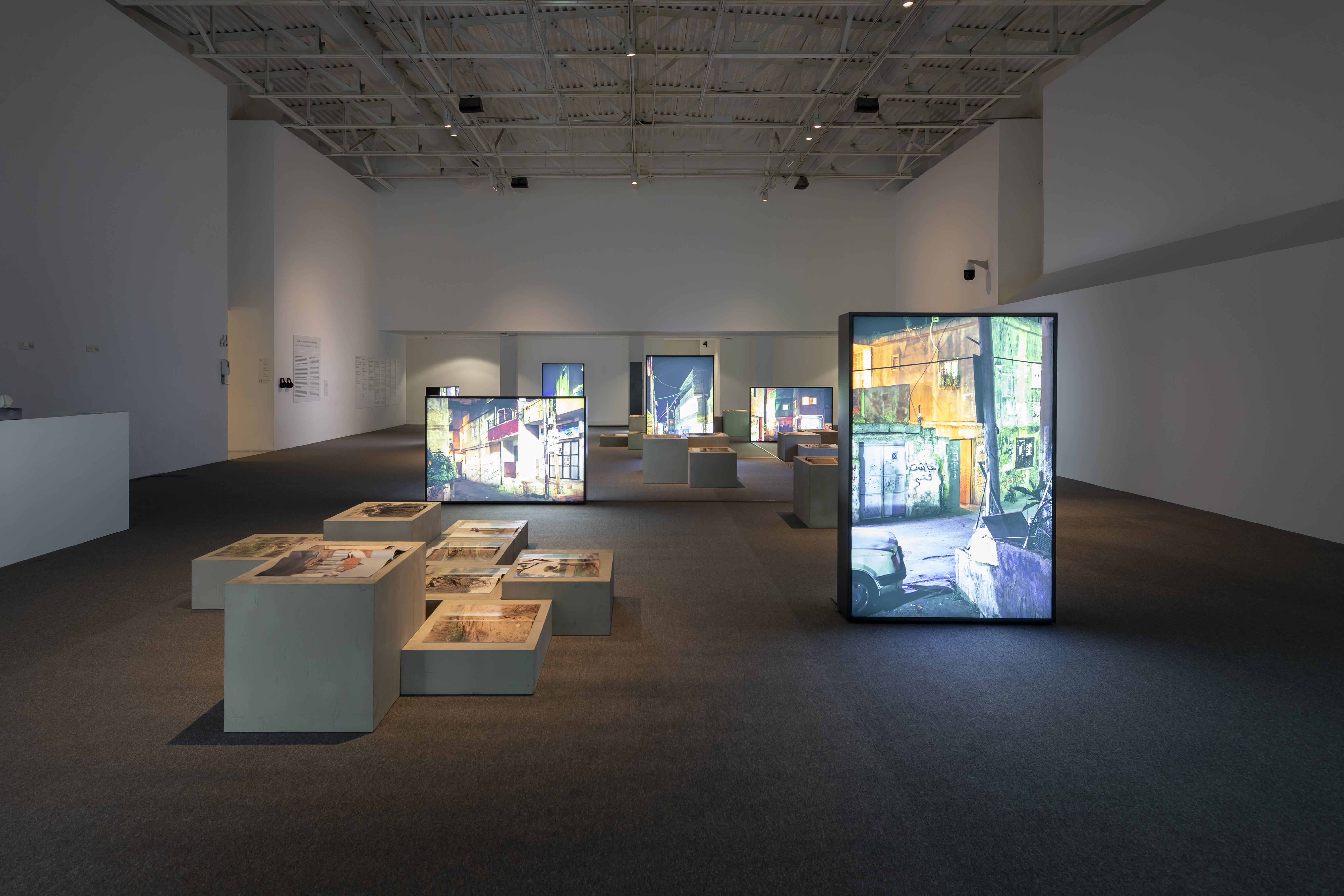
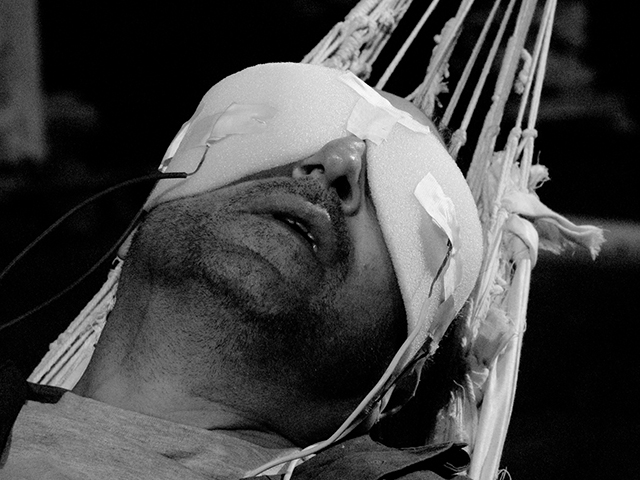
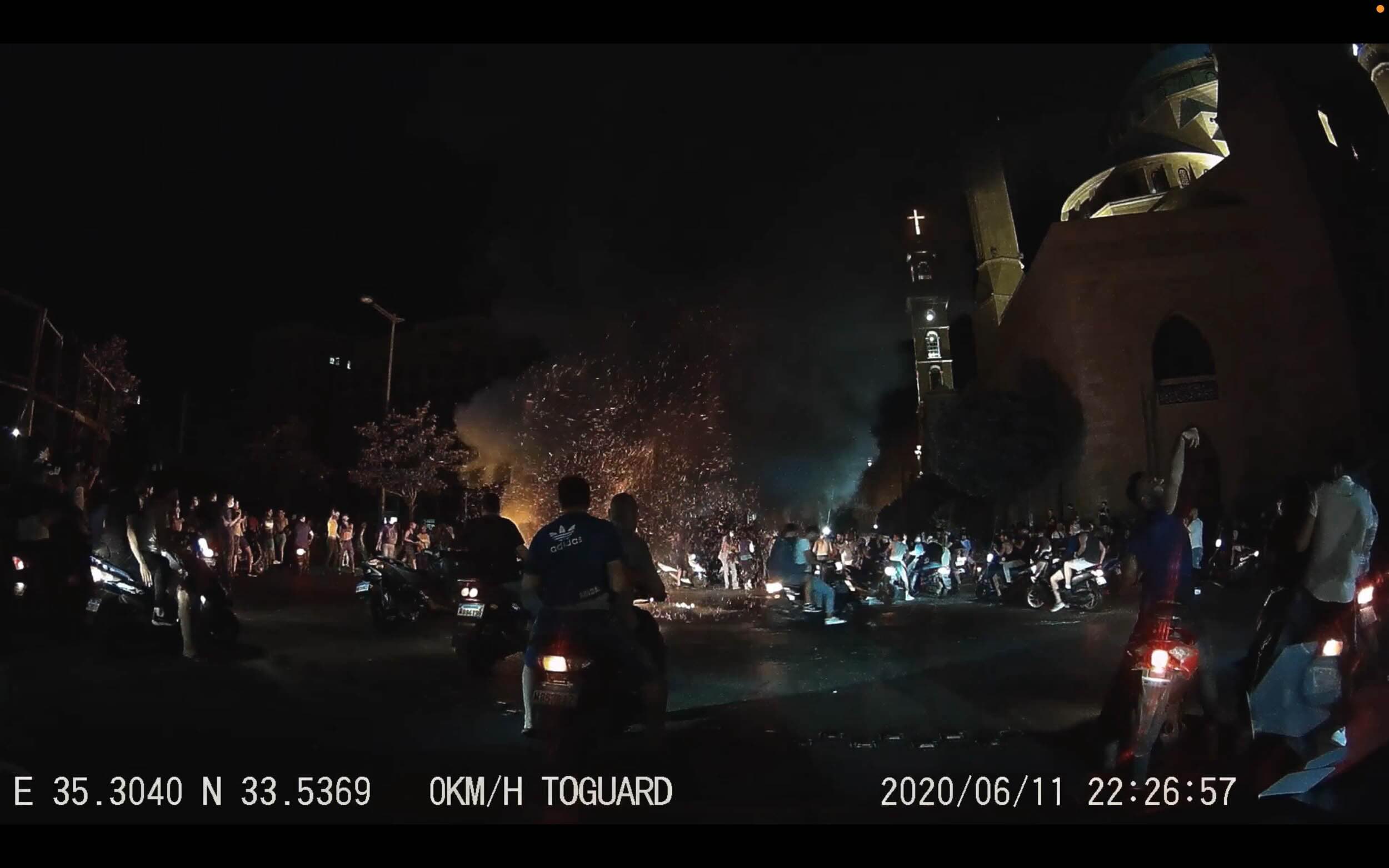
Choukair Hilal’s proposal takes as a starting point the discovery of Sirine Fattouh’s Unpredictable Times project at La Galerie, Centre d’art contemporain de Noisy-Le-Sec within the framework of the “Festival du film franco-arabe de Noisy-le-Sec”. With Behind the Shield, the work accompanies the artist on a series of everyday car trips through Beirut, filmed between 2019 and 2020. This 57-minute video installation captures a period marked by intense political upheaval, the October revolution, economic collapse, Covid-19 and the Beirut Port explosion on August 4. Shot from a fixed position on the artist’s car, the camera quietly registers the evolving cityscape: shifting seasons, public gatherings, ambulances, traffic jams, moments of joy, destruction, and collapse. Despite its static gaze, the work becomes a sensitive witness to a city in distress: archiving despite itself, producing an archive of urgency, and revealing the urgency of the archive.
Sirine Fattouh refers to her work as a “living archive”, a term that prompts key questions: In the current Lebanese context, are artists inevitably becoming archivists of their cities’ pain and resistance? Has this dual artist and archivist role become unavoidable since the end of the civil war?
To explore these questions, the proposal traces the emergence of collective initiatives such as the Arab Image Foundation in 1997, which sought to preserve personal and vernacular histories outside of the idea of institutional archives. It considers how artists like Walid Raad and Joana Hadjithomas & Khalil Joreige engage archival speculation and fictionalization to challenge dominant narratives. Finally, it examines the practices of a younger generation of artists, including Myriam Boulos and Rahab Chamseddine. Keeping the focus on collective practices, a strong emphasis is placed on artistic initiatives that are radically transformed in times of war and bombardment. For instance, Haven for Artists, an NGO working on the intersection of art and activism, whose team and volunteers shifted their activities to house, feed, and shelter people who have been forcibly displaced.
Tamara Choukair Hilal is an independent art worker and researcher who is part of the Residency Programme at Artagon Pantin in 2026-2028. She is the research center and public programs manager at AWARE: Archives of Women Artists, Research & Exhibitions, Villa Vassilieff (Paris).