Georges Hanna Sabbagh in Brittany (1916–1936): Regional Historiography, Transnational Trajectory
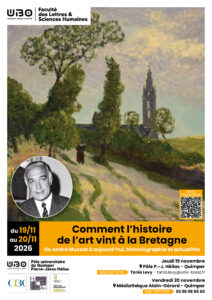
19 November 2026 - 20 November 2026
Université de Bretagne Occidentale
Joan Grandjean is giving a lecture as part of the conference "Comment l'Histoire de l'art vint à la Bretagne" organised by Tania Lévy at the Université de Bretagne Occidentale, France
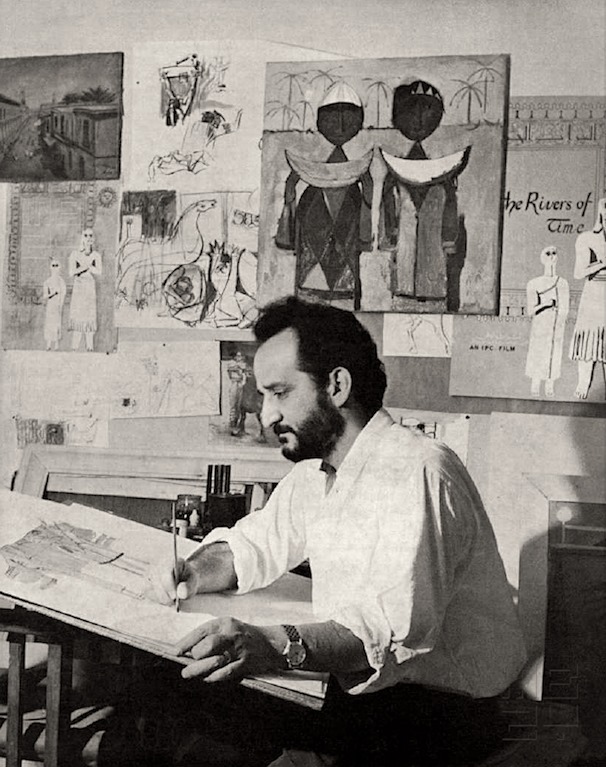
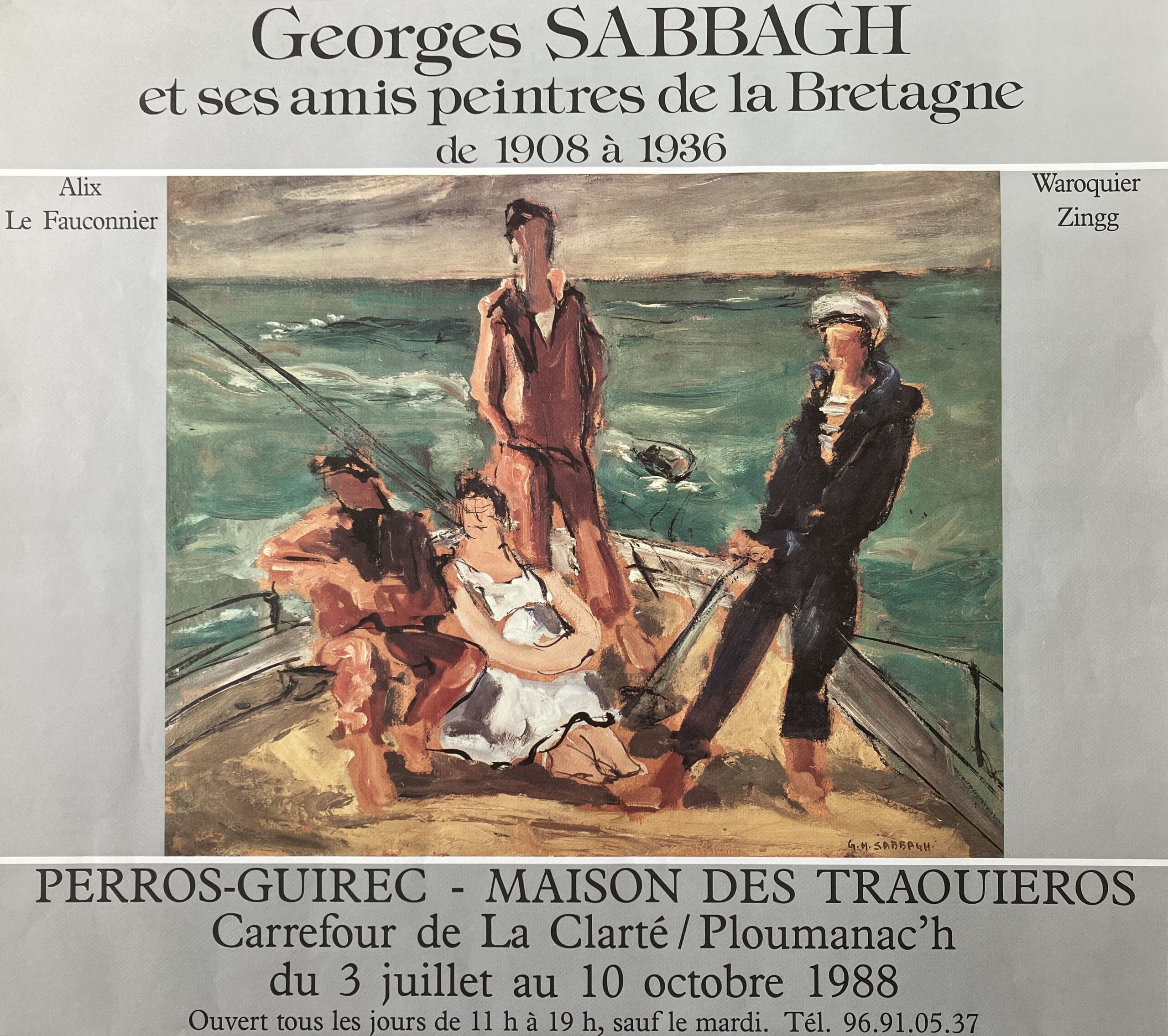
Egyptian painter Georges Hanna Sabbagh (Alexandria 1887 – Paris 1951) first discovered Brittany, France, in the early 1900s before settling in Ploumanac’h, where he lived from 1916 to 1936. Despite this long stay, a documented presence in local artistic networks (alongside Maurice Denis and Paul Sérusier) and a significant body of work, he is barely mentioned in the major syntheses on art in Brittany.
In this lecture (in French), Joan Grandjean first sheds light on Sabbagh’s Breton period, drawing on family archives, museum collections and municipal records in order to understand his artistic sociability, his networks, his place in exhibition circuits, and the plastic stakes of his work, considering Brittany as one of a full-fledged space of production.
He then asks why Sabbagh has been absent from regional historiography. Rather than individual neglect, Grandjean points to the structure of dominant narratives: centered on the Pont-Aven School and the Nabis, they have carefully documented Western artists from Northern and Eastern Europe, yet have rarely integrated those from beyond the West.
Building on André Mussat’s attention to circulations and his rejection of centre–periphery hierarchies, the talk aims less to add a forgotten figure to the existing story than to rethink the very frameworks of art history in Brittany today.